
The United Nations Office on Drugs and Crime (UNODC) has released its World Drug Report 2026 (WDR26), detailing a significant 40% increase in global cannabis use over the last decade, with an estimated 256 million people reporting use in 2024. This comprehensive report highlights a ‘continuum of gradual normalisation’ influencing cannabis consumption and a fragmented, yet expanding, landscape of policy liberalisation worldwide, alongside a growing intersection between legal and illicit cannabis markets.
Understanding the Evolving Global Cannabis Landscape
The WDR26, structured across three volumes including ‘Highlights’, ‘Special Points of Interest’, and ‘Impact of Drug Use on Safety and Security’, illustrates a complex, rapidly changing mosaic of cannabis regulation rather than a uniform global wave of legalisation. While some jurisdictions have embraced full commercial adult-use models, others have opted for various forms of decriminalisation or controlled pilot programmes, each with distinct implications for public health and safety.
Diverse Approaches to Legalisation and Decriminalisation
As of December 2025, a limited number of jurisdictions had implemented full commercial cultivation, production, and sale of cannabis for non-medical adult use. These include Canada, Uruguay, and 28 jurisdictions within the United States. These represent the most comprehensive end of the regulatory spectrum, allowing for fully regulated commercial supply chains.
Elsewhere, a range of decriminalisation measures has emerged over the past decade. The Czech Republic, for instance, implemented reforms on January 1, 2026, permitting adults aged 21 and over to possess up to 25 grammes in public or 100 grammes at home, along with the cultivation of up to three cannabis plants for personal use. Germany’s CanG reform, effective since April 2024, similarly allows for home cultivation of three plants and possession of 25 grammes, complemented by non-commercial cultivation associations capped at 500 members.
Luxembourg, since June 2023, and Malta, since 2021, have also permitted home cultivation and limited adult possession. Malta’s model further includes Cannabis Harm Reduction Associations, which can supply members with up to 7 grammes daily. In South Africa, a 2024 legislative act permits cultivation, possession, and consumption in private dwellings, though its operationalisation is still pending. Australia’s regulatory landscape remains largely conservative, with the Australian Capital Territory being the sole jurisdiction allowing home cultivation.
Pilot Programmes Exploring Future Pathways
Recognising the complexities of full-scale legalisation, some European nations are undertaking controlled experiments. The Netherlands is testing a regulated supply chain model in ten municipalities, allowing coffeeshops to sell only cannabis sourced from authorised growers. This initiative aims to assess the practical efficacy of a decriminalised, regulated supply chain.
Switzerland’s pilot trials, launched in May 2024, have engaged approximately 7,000 cannabis users across seven cantons. Early observations suggest differences between for-profit and not-for-profit models concerning product promotion and youth protection, findings that could significantly influence future cannabis reform across Europe.
Potency Trends and the Interplay with Illicit Markets
A notable trend highlighted in the report is the consistent increase in THC content within illicit-market cannabis. In the United States, the average THC content in illicit cannabis reached 16.1% by 2024, a substantial rise from just 4% a decade prior. Similarly, across the European Union (including Norway and the UK), demand for high-THC cannabis has surged, with the average potency reaching 12.5% in 2024, up from 4% in 1995.
This increase is largely attributed to advancements in cultivation practices, including genetic selection for high-potency cultivars, the widespread use of feminised seeds, and sophisticated indoor cultivation techniques that allow precise control over environmental factors such as light, temperature, humidity, and nutrients. The report references a study of US cannabinoid profiles from 2013 to 2022, indicating that cannabis sold through licensed dispensaries and that seized from the illegal market often share closely related genetic origins. However, legal products tended to exhibit higher THC and lower CBD content compared to their illicit counterparts.
A concerning development in the EU is the increasing adulteration of low-THC herbal material in the illicit market with synthetic and semi-synthetic cannabinoids, some of which are highly potent. This practice blurs the distinction between natural cannabis and potentially more dangerous, chemically enhanced products, posing significant public health risks.
Rising Illicit Diversion and Enforcement Challenges
Despite the spread of legalisation and decriminalisation, global seizures of cannabis herb and resin reached historically high levels in 2023 and 2024, primarily driven by Africa, which accounted for 61% of worldwide seizures in 2024. Conversely, resin seizures saw their lowest levels since 2011. North America has experienced a steady decline in cannabis seizures since 2010, a trend the report links to shifting law enforcement priorities in jurisdictions with legal markets, rather than a decrease in illicit supply.
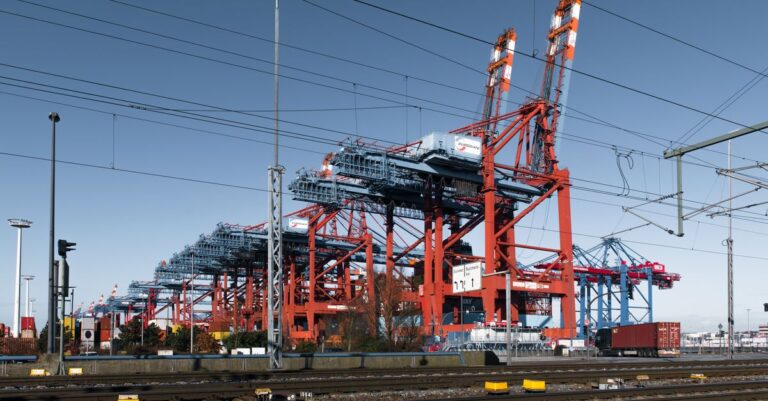
A critical emerging issue is the diversion of cannabis from legal commercial supply chains into illicit international trafficking. Dutch customs, for example, seized 65.5 tonnes of cannabis in 2025, a fourfold increase from 2024. This diverted cannabis was primarily sourced from Canada, Thailand, and the United States, transported through seaports, air cargo, and via air passengers. Major European ports like Antwerp, Rotterdam, and Hamburg, traditionally associated with other drug flows, are now increasingly being utilised for cannabis trafficking.
Between 2015 and 2024, North American countries were identified as a source of cannabis shipments by 57 countries and territories outside the region, a more than fivefold increase from the previous decade. The WDR26 directly attributes this surge to the region’s expanding legal cultivation capacity, underscoring a significant governance challenge. Effective track-and-trace systems, comprehensive seed-to-sale reporting, and stringent export licensing are becoming increasingly vital to prevent such diversion, extending their importance beyond national borders. For more on regional legal market dynamics, see our article on New York Law Allows Cannabis Sales at Farmers Markets, or details on acquisition activities in US states like in Vireo Growth Inc. Acquires Key Cannabist Operations in Five US States.
“Cannabis is becoming increasingly interregional and traffickers are reacting to changes in legal and social norms.” — Business of Cannabis
Public Perception and Health Outcomes
The report also highlights a concerning shift in public perception regarding the harm associated with cannabis use. Among 12th graders in the United States, the perception of cannabis harm has been rising since 2021, reversing a long-term decline, even as legal access expands across the country. A similar pattern is emerging among adolescents in parts of Europe, suggesting that wider legal access does not automatically translate into reduced perception of risk among youth.
Cannabis use disorders (CUDs) remain a significant public health concern. They are the most common reason for individuals to seek drug treatment in Africa and the Americas, and the second most common, behind opioids, in Asia and Europe. However, the report carefully contextualises this data, noting that cannabis’s overall disease burden is comparatively low because the substance “may lead less readily to dependence than other drugs” included in the same dataset. This nuance is crucial for understanding the broader public health implications.
The UNODC’s analysis suggests that the evolving dynamics of international cannabis trafficking will continue to pressure robust track-and-trace and export licensing frameworks. Furthermore, the observed reversal in how adolescents and adults in some regions perceive the drug’s harm is “likely to also influence public health outcomes,” serving as a stark reminder that the ongoing dialogue about cannabis and its societal impact is far from settled.
Frequently Asked Questions
What are the key findings of the UNODC World Drug Report 2026?
The UNODC World Drug Report 2026 indicates a 40% increase in global cannabis use over the last decade, with 256 million users in 2024. It details a fragmented global policy landscape for cannabis and highlights growing overlaps between legal and illicit markets, including increasing diversion from regulated supply chains.
Which jurisdictions have fully legalised commercial adult-use cannabis?
As of December 2025, Canada, Uruguay, and 28 jurisdictions in the United States had enacted legal provisions for full commercial cultivation, production, and sale of cannabis for non-medical adult use.
How has the THC content in illicit cannabis changed globally?
The report notes a steady increase in THC content in illicit cannabis. In the US, it rose to 16.1% by 2024 from 4% a decade prior. In the EU, it reached 12.5% in 2024, up from 4% in 1995, driven by genetic selection and indoor cultivation.
What is cannabis diversion and why is it a concern internationally?
Cannabis diversion refers to the movement of legally produced cannabis into illicit international trafficking channels. It is a concern because it undermines regulatory efforts, fuels organised crime, and complicates international drug control frameworks, as evidenced by significant seizures in Europe of cannabis originating from legal markets.
Are public perceptions of cannabis harm changing?
Yes, the report indicates a reversal in the perception of cannabis harm among adolescents in the US since 2021, with similar patterns in parts of Europe. This suggests a hardening of attitudes even as legal access expands, impacting public health outcomes.