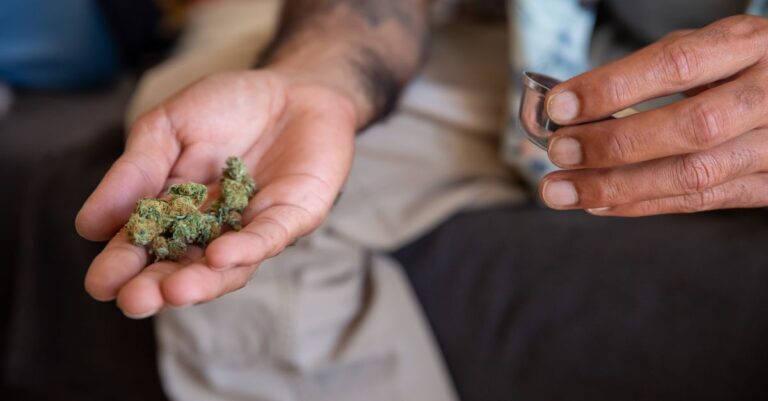

For patients in the United Kingdom prescribed dried medical cannabis flower, inhalation via a vaporiser is the legally mandated method of consumption, as smoking remains prohibited due to associated health risks. This approach allows individuals to benefit from the active compounds in cannabis, such as THC and CBD, by heating the plant material to its vaporisation point without combustion, thereby producing a inhalable vapour rather than smoke.
The landscape of medical cannabis in the UK has evolved significantly since its rescheduling in November 2018, making cannabis-based medicines available on prescription. However, a crucial distinction upheld by UK regulations is the prohibition of smoking prescribed cannabis. This policy is rooted in the established health hazards linked to combustion, encouraging safer administration methods for patients.
Understanding Vaporisation Versus Smoking
The fundamental difference between vaporising and smoking cannabis lies in the application of heat. Smoking involves burning the plant material, a process that creates smoke laden with numerous harmful by-products and carcinogens. In contrast, a medical cannabis vaporiser heats the cannabis flower to a precise temperature range, typically between 160°C and 220°C, which is sufficient to release the cannabinoids and terpenes as a fine vapour, but below the point of combustion. This avoids the creation of smoke and significantly reduces exposure to the toxins associated with burning plant matter.
Clinical practice guidelines, such as those published in Cannabis and Cannabinoid Research concerning chronic pain management, generally advocate for vaporising dried cannabis flower over smoking. This preference stems from the ability of vaporisation to mitigate some of the potential risks linked to combustion and secondhand smoke exposure. While inhaled cannabis offers a rapid onset of effects and a shorter duration, which can be advantageous for acute needs, it is also noted that oral formulations like oils and capsules can provide more consistent dosing and circumvent potential adverse effects related to inhalation.
Types of Medical Cannabis Vaporisers
The term "vaporiser" can encompass a variety of devices, and it is important for patients to understand the distinctions. Broadly, these devices fall into two main categories: dry-herb vaporisers and liquid inhalers or "vape pens."
Dry-Herb Vaporisers
These devices are specifically designed to heat dried cannabis flower. They feature a chamber where the ground cannabis is placed. Once activated, the device heats this chamber to a user-selected temperature, releasing the active compounds as vapour. The precise mechanism can vary, with some devices using conduction (direct contact heating) and others convection (heating via hot air), or a hybrid of both. For instance, many patients in the UK receive prescriptions for specific medical cannabis strains that are intended for use in dry-herb vaporisers.
Liquid Inhalers and Vape Pens
Unlike dry-herb devices, these systems typically utilise pre-filled cartridges containing liquid cannabis extract. A notable example in the UK market is Curaleaf’s CE-certified liquid inhaler. These handheld devices are designed to deliver a standardised amount of medicine with each inhalation, offering what Curaleaf’s UK managing director Jonathan Hodgson described as “controlled precision.” It is crucial for patients to use only the specific formulation and administration method prescribed by their clinician, as transferring oral or sublingual cannabis oils into a vaporiser designed for liquid extracts is not appropriate and can be dangerous.
Using Your Medical Cannabis Vaporiser: Key Considerations
Effective and safe use of a medical cannabis vaporiser requires careful attention to the device's instructions and the prescribing clinician's guidance. General steps for using prescribed flower typically involve preparing the specified dosage, loading it into the device's chamber, selecting the appropriate temperature, and allowing the device to reach that temperature before inhaling. The National Institute for Health and Care Excellence (NICE) guidelines emphasise that patients must receive clear instructions on how to take their medicine, including potential benefits, harms, possible interactions, and effects on driving. Ongoing monitoring of effectiveness and any adverse effects is also recommended.
Temperature Settings and Cannabinoid Delivery
The chosen vaporisation temperature significantly influences the profile and quantity of cannabinoids and terpenes released from the cannabis flower. Research, such as a 2025 review by Caroline MacCallum, Lindsay Lo, and Michael Boivin in Cannabis and Cannabinoid Research, highlights that dosing via inhalation can be complex due to variables like the cannabis product itself, chamber size, temperature, and individual inhalation technique. This review suggests a starting temperature range of approximately 180–200°C for dry herb vaporisers, though the optimal temperature can vary for each patient. If respiratory irritation occurs, lowering the temperature to around 160–180°C or considering an alternative oral formulation might be advisable. Patients should always adhere to the instructions for their specific prescribed product and vaporiser, and any adjustments to dosage or method should be discussed with their prescribing medical team.
Safety, Cleaning, and Maintenance
While vaporising avoids the combustion-related toxins of smoking, it is not without its own considerations. Inhaling any substance carries some degree of risk, and long-term research into the effects of cannabis vaporisation is still developing. A 2023 study by US National Center for Toxicological Research explored whether vaporising cannabis flower could reduce microbial levels. Heating cannabis at 190°C for 70 seconds did not significantly decrease the number of microorganisms present. Cannabis scientist Dr. Callie Seaman noted this is primarily a concern for individuals with compromised immune systems or pulmonary issues. Professor Mike Barnes, former president of the Medical Cannabis Clinicians Society, acknowledged that while vaporisation is “safer than smoking,” risks are inherent with any medication. The 2025 review also recommended assessing individual patient risks and benefits, alongside continuous monitoring for side effects.
Furthermore, liquid cannabis vapes introduce different safety questions. Some vape liquids contain additives like propylene glycol, vegetable glycerin, or MCT oil, which can potentially generate harmful compounds when heated. It is important to note that much of the research on these additives originates from e-cigarette studies and may not directly apply to prescribed dried cannabis flower.
Maintaining Your Device
Regular cleaning is essential for maintaining the performance and hygiene of any medical cannabis vaporiser. Over time, cannabis residue can accumulate within the device, potentially impeding airflow and affecting its functionality. Chambers and other parts prone to residue buildup should be cleaned systematically. However, cleaning methods and suitable products vary significantly between devices. Some common cleaning agents, such as alcohol or acetone, can damage plastic components. Therefore, patients must strictly follow the manufacturer's cleaning and maintenance instructions for their specific vaporiser and ensure all cleaning products are thoroughly removed before subsequent use. The importance of proper device maintenance cannot be overstated, especially for patients who rely on consistent delivery of their prescribed medicine.
Navigating UK Medical Cannabis Prescriptions
In the UK, the initial prescription of most cannabis-based medicinal products must be made by a doctor listed on the Specialist Register who possesses a particular interest in the condition being treated. This ensures that patients receive expert care tailored to their specific health needs. Before commencing treatment, patients are legally entitled to comprehensive information regarding the potential benefits and harms of the medicine, possible interactions with other medications, the anticipated duration of treatment, and precise instructions on how to administer their medicine. This thorough approach aligns with the wider duty of care that UK employers have towards medical cannabis patients, ensuring that all aspects of patient welfare are considered.
NICE guidance further reinforces the need for continuous monitoring of the medicine's effectiveness and any adverse effects experienced by the patient. If patients encounter any side effects or difficulties in using their vaporiser, they are advised to promptly consult their prescribing medical team. This ongoing dialogue between patient and clinician is vital for optimising treatment outcomes and ensuring patient safety.
Frequently Asked Questions
Why can’t medical cannabis be smoked in the UK?
UK regulations explicitly prohibit smoking cannabis-based medicinal products due to the documented health risks associated with combustion and inhaling smoke. This restriction was maintained when medical cannabis became prescribable in 2018.
What is the difference between vaporising and smoking cannabis?
Vaporising heats cannabis flower to release cannabinoids and terpenes as a vapour without burning the plant material, thus avoiding harmful smoke and combustion by-products. Smoking involves burning, which produces smoke and exposes the lungs to toxins.
Are all cannabis "vapes" the same?
No, the terms "vape" and "vaporiser" are often used broadly but refer to different devices. Dry-herb vaporisers heat cannabis flower, while vape pens and liquid inhalers heat liquid extracts. Patients must only use the formulation and device prescribed for their specific medicine.
What temperature should I use for vaporising medical cannabis?
There is no universal temperature for all products or devices. Temperature affects cannabinoid release and delivery. Patients should follow their device and medicine instructions and discuss any changes with their prescribing team. A common starting range is 180–200°C.
Is vaporising cannabis completely risk-free?
While vaporisation avoids the smoke from combustion, it is not entirely risk-free. Long-term research is still developing, and inhaling any substance carries potential considerations. Patients with respiratory issues should discuss the most appropriate administration route with their clinician.
How should I clean my medical cannabis vaporiser?
Regular cleaning is crucial to prevent residue build-up and maintain performance. Always follow the manufacturer's specific cleaning instructions for your device, as some cleaning products can damage components. Ensure all cleaning solutions are thoroughly removed before use.
This report is based on original reporting by Cannabishealthnews.co.uk.