
Despite the legalisation of adult-use cannabis in Maryland, USA, in 2023, the rollout of social equity dispensaries intended to benefit communities disproportionately affected by past prohibition has been notably slow. Many licensees are encountering significant obstacles, from securing suitable real estate and investment to navigating complex zoning regulations and the ongoing uncertainties of US federal cannabis policy.
Maryland’s Cannabis Reform Act and Equity Goals
In a bid to rectify historical injustices stemming from the war on drugs, Maryland enacted the Cannabis Reform Act in 2023. This landmark legislation not only legalised recreational cannabis sales but also established the Maryland Cannabis Administration (MCA) and the Office of Social Equity. A core component of this reform was the creation of social equity licenses, specifically designed for new dispensaries, cultivators, and processors. These licenses were prioritised for individuals and businesses from Maryland communities, or those who attended schools within communities, that had been disproportionately impacted by cannabis prohibition.
The intention behind these licenses was to ensure that those most harmed by past policies could actively participate in and benefit from the burgeoning legal cannabis industry. However, the path to market entry has proven arduous for many. Candice Peters, who opened Coastal Cure Cannabis in Delmar in June, noted that earlier rounds of medical cannabis licensing in Maryland largely excluded minority entrepreneurs, leading to the current push for more equitable access.
Operational Realities: Slow Rollout and Persistent Barriers
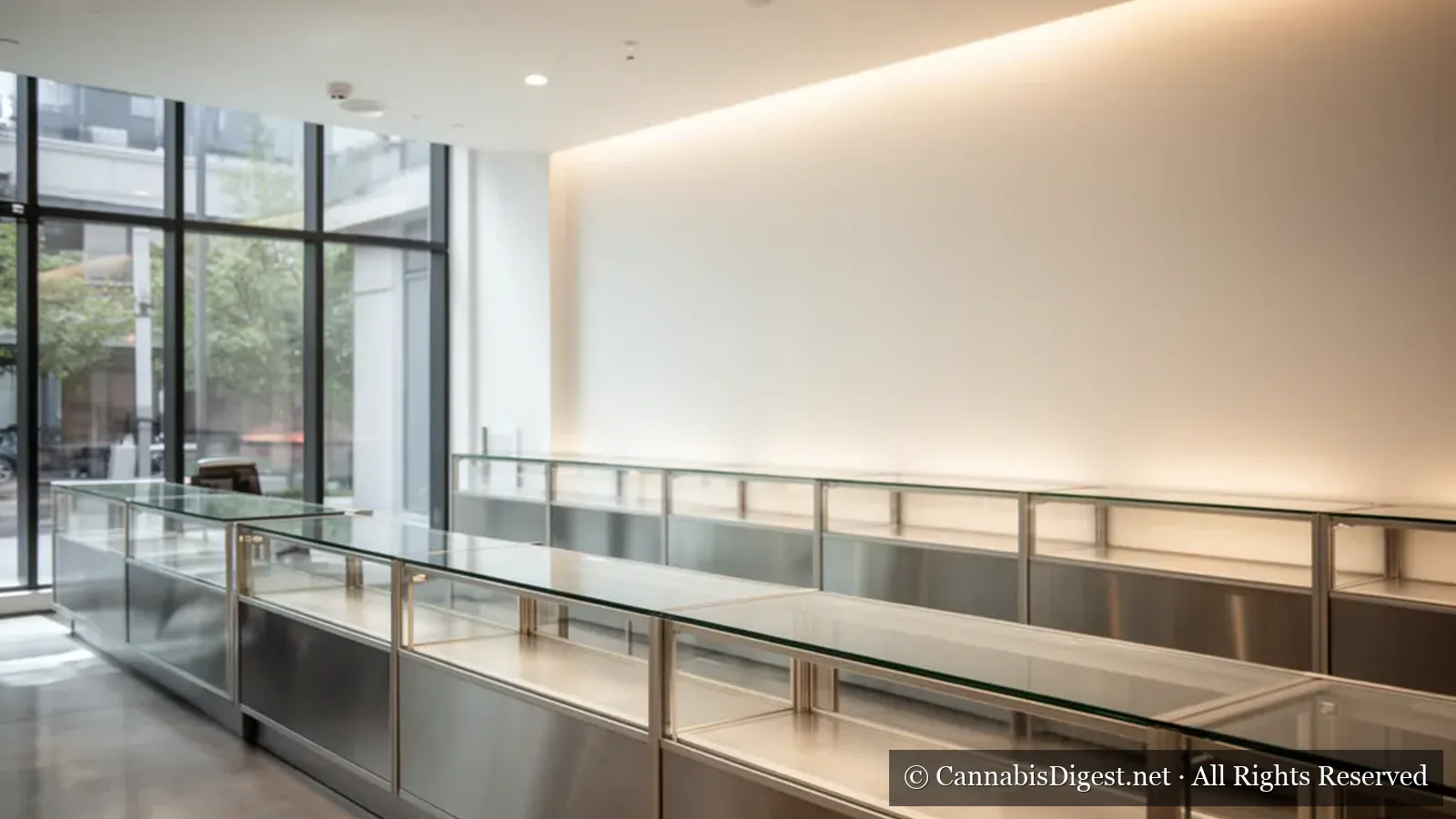
As of July 2026, the progress in opening social equity dispensaries in Maryland remains modest. Out of 83 social equity licenses distributed by the state since 2023, only 17 are currently operational. This figure, though double the number at the beginning of the year, underscores the significant challenges faced by entrepreneurs attempting to launch their businesses.
License holders report a range of hurdles beyond those typical for any new business. These include unique zoning restrictions, difficulties in attracting sufficient investment, and reluctance from real estate partners due to the lingering stigma associated with cannabis, particularly given its historical legal status. Malcolm Gillian, founder of the Maryland Coalition for Cannabis Equity, a trade association supporting social equity licensees, highlighted the need for “right funding opportunities” and a “chance to compete” for these mostly self-financed entrepreneurs.
Navigating Capital, Competition, and Local Regulations
One of the most significant challenges for Maryland’s social equity licensees is raising capital. The state’s law mandates that 65 percent of equity in these businesses must be held by the qualified applicant, a provision intended to prevent larger, often multi-state operators from acquiring these licenses and diluting their social equity purpose. While this protects local ownership, it can simultaneously limit the pool of potential investors and make it harder to secure the substantial funding required to launch and sustain a cannabis business.
Candice Peters articulated the disparity, stating, “The resources that these multistate operators have, I mean, they’re so far above what we have access to." She emphasised that this round of licenses was crucial for local entrepreneurs to “at least allow us to have a seat at the table.” Without these protections, smaller, equity-focused businesses would struggle immensely against well-resourced competitors. Additionally, marketing and advertising restrictions further constrain these new businesses in their efforts to reach consumers.
Real estate and zoning present another complex layer of obstacles. Frank Hayes, co-owner of Crabtree Cannabis in Kensington, recounts that his dispensary’s renovation of a former bank was halted due to complaints from nearby churches. State regulations prohibit dispensaries within 500 feet of places of worship. Although the churches themselves were found to lack permits, the incident illustrates the unexpected regulatory and community opposition that can arise, even after securing a license. Finding willing landlords and navigating local zoning laws continue to be major hurdles for many.
The Shadow of US Federal Policy: Rescheduling and Confusion
The landscape for cannabis businesses in the United States is further complicated by the divergence between state-level legalisation and US federal prohibition. In April, Acting Attorney General Todd Blanche reclassified medical cannabis from a Schedule I to a Schedule III drug under federal law, placing it alongside substances like ketamine and certain pain medications. This move, while seen as progress by many, has introduced a new layer of confusion for the industry.
Crucially, the US Drug Enforcement Administration (DEA) still considers recreational cannabis illegal, creating an uneasy future for adult-use dispensaries. Licensees in Maryland, like those elsewhere in the US, now face a dilemma regarding whether to register with the DEA. Some, like Hayes and Peters, have chosen to register, partly due to requirements from their suppliers, while others remain hesitant. This uncertainty highlights the profound impact of evolving federal policy shifts on state-legal markets, a situation that also impacts broader discussions around interstate cannabis commerce.
“If anything, this April decision has just created a lot of confusion.”
— Frank Hayes, owner of Crabtree Cannabis (marijuanamoment.net)
The decision to register with the very agency that spearheaded the war on drugs, which the social equity program aims to counteract, causes a “pause” for some entrepreneurs, despite the potential benefits.
Maryland’s Market Success and Future Outlook
Despite the challenges faced by social equity licensees, Maryland’s legal cannabis market has demonstrated significant growth. Since recreational cannabis was legalised in 2023, total sales have reached $3.46 billion, with a monthly record of $105 million in combined medical and recreational sales recorded in April. The state’s 12 percent sales tax on recreational cannabis is credited with effectively deterring the illicit market, a success story that contrasts with other jurisdictions that have struggled with high tax rates.
The Maryland Cannabis Administration has affirmed its commitment to fostering a “safe, equitable and accessible medical and adult-use cannabis industry.” Social equity licensees, like Candice Peters, are actively working to fulfil the program’s purpose by intentionally hiring returning citizens and individuals from underserved communities, and ensuring product access to these groups. As the industry continues to mature, the success of Maryland’s social equity initiatives will serve as an important benchmark for other jurisdictions striving for a fair and inclusive cannabis economy.
Frequently Asked Questions
What is a social equity cannabis license in Maryland?
A social equity cannabis license in Maryland is a special permit for new dispensaries, cultivators, or processors. It is granted to individuals or businesses from communities disproportionately affected by past cannabis prohibition or who attended schools in such communities, aiming to promote equitable participation in the legal market.
How many social equity dispensaries are open in Maryland?
As of July 2026, only 17 of the 83 social equity cannabis dispensary licenses distributed by Maryland have become operational. This indicates a slow rollout despite the state’s efforts to foster an equitable cannabis industry.
What challenges do Maryland’s social equity licensees face?
Social equity licensees in Maryland face numerous challenges, including difficulties securing investment due to the 65 percent equity ownership requirement, finding suitable real estate, navigating complex zoning laws, and overcoming lingering stigma. The uncertainties of US federal cannabis policy also add to these complexities.
How has US federal cannabis policy impacted Maryland’s market?
The recent US federal reclassification of medical cannabis to Schedule III has created confusion for Maryland’s adult-use market. While a step towards reform, the US DEA still views recreational cannabis as illegal, leaving licensees uncertain about compliance requirements like federal registration.
Are Maryland’s cannabis sales performing well?
Yes, Maryland’s legal cannabis market has performed strongly, with total sales reaching $3.46 billion since recreational legalisation in 2023. The state recorded a monthly high of $105 million in combined medical and recreational sales in April.
What is the sales tax rate on recreational cannabis in Maryland?
Maryland charges a 12 percent sales tax on recreational cannabis. This rate is considered effective in combating the illicit market, encouraging consumers to purchase from safe, regulated dispensaries.