
A strengthening El Niño event is significantly influencing the forecast for the 2026 Atlantic hurricane season, leading to predictions of a well-below-normal season, a development with crucial implications for outdoor and greenhouse cannabis cultivators worldwide. This climate phenomenon, characterized by abnormally high sea surface temperatures in the equatorial Pacific, typically generates atmospheric conditions that suppress hurricane formation in the Atlantic basin, thus altering the risk landscape for agricultural operations.
Understanding El Niño’s Global Climate Reach
El Niño, a recurring climate pattern, involves the warming of sea surface temperatures in the central and eastern tropical Pacific Ocean. This warming triggers a cascade of atmospheric responses that can profoundly shift weather patterns across the globe. For regions bordering the Atlantic Ocean, including parts of North America, the Caribbean, and even Western Europe which can experience remnants of tropical systems, a strong El Niño often correlates with increased vertical wind shear. This shear, a change in wind speed or direction with altitude, tears apart developing tropical cyclones, making it harder for them to strengthen into hurricanes.
Beyond its direct impact on hurricane activity, El Niño can contribute to other extreme weather events globally, from droughts in some regions to increased rainfall in others. For cannabis cultivators, understanding these broader shifts is critical for planning irrigation, managing pests and diseases, and protecting crops from adverse conditions. The global nature of cannabis cultivation means that even phenomena originating far away can have tangible effects on local growing conditions.
Forecasting a Quieter 2026 Atlantic Hurricane Season
Initial outlooks for the 2026 Atlantic hurricane season, released in the spring, were already tempered compared to recent years, primarily due to the anticipated presence of a developing El Niño. As of July, satellite data confirms a strong El Niño is indeed in progress, prompting forecasters to adjust their predictions further downward.
Dr. Phil Klotzbach and his team at Colorado State University (CSU) initially released their 2026 Atlantic hurricane season forecast in early April. By July 8, CSU’s forecast had shifted noticeably, indicating a “well below-normal season.” Their updated summary noted:
“We further reduce our 2026 Atlantic basin hurricane season forecast and now anticipate a well below-normal season. Moderate El Niño conditions are likely to intensify over the next few months, with a high potential for a strong El Niño for the peak of hurricane season. Sea surface temperatures across the Caribbean and tropical Atlantic are near their long-term averages. We anticipate the powerful El Niño being the dominant factor for the upcoming hurricane season, driving high levels of tropical Atlantic vertical wind shear.” — Greenhouse Grower
The 2026 Atlantic hurricane season has, indeed, seen a slow start with only one named storm, Arthur, a weak and short-lived system, forming along the Texas coast in mid-June. Increased vertical wind shear and consistent Saharan dust plumes traversing the Atlantic have contributed to the quiet conditions. The National Hurricane Center (NHC) also released its official forecast in May, predicting 8 to 14 named storms, 3 to 6 hurricanes, and 1 to 3 major hurricanes. These numbers are also likely to decrease in their August update, aligning with CSU’s revisions.
Implications for Outdoor and Greenhouse Cannabis Cultivation
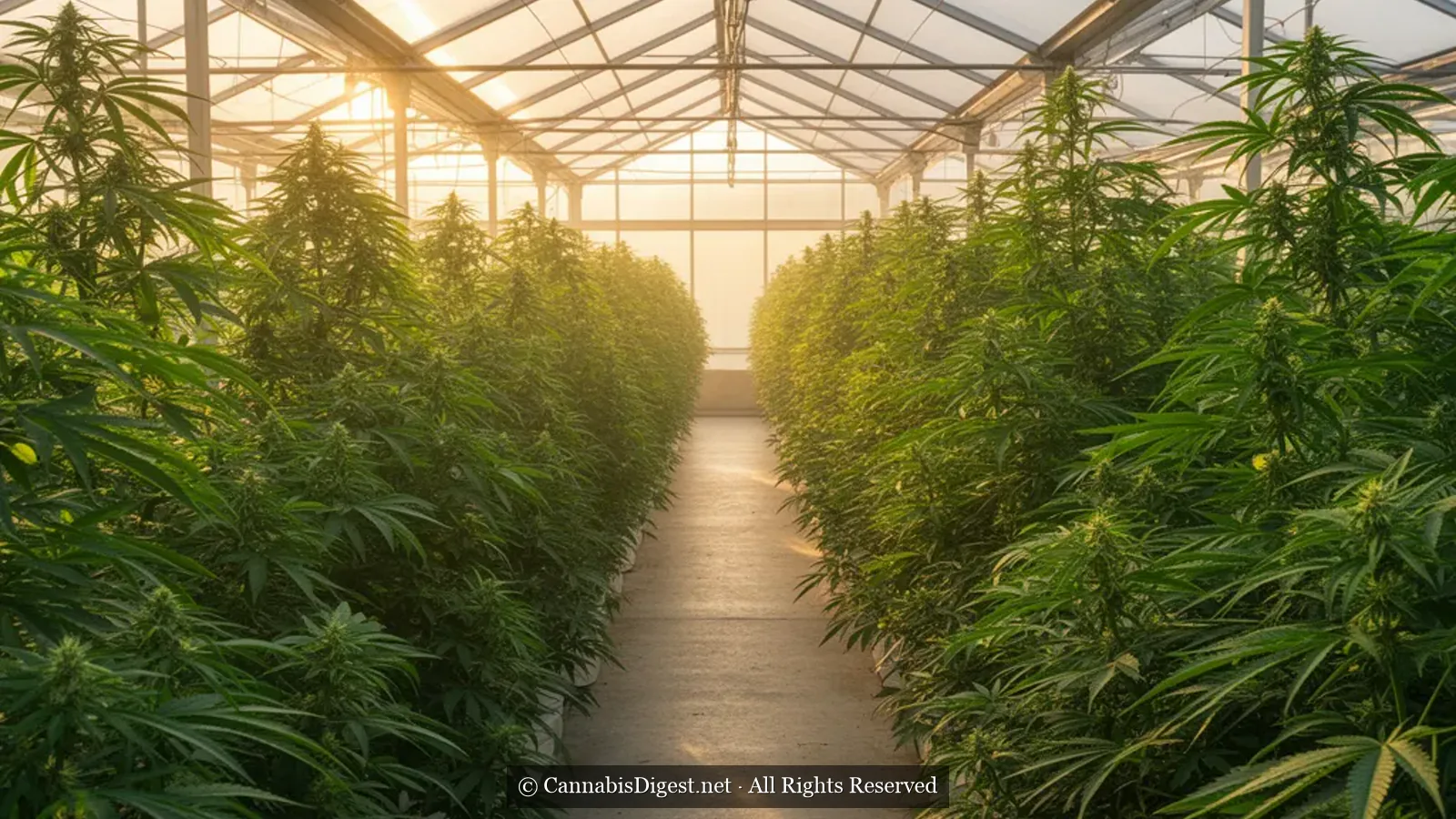
For cannabis cultivators in hurricane-prone regions, such as those in the Caribbean, Mexico, and the southeastern United States, a forecast for a well-below-normal hurricane season offers a degree of relief. Reduced hurricane activity means a lower risk of catastrophic wind damage, torrential rainfall, and flooding that can devastate outdoor crops and damage greenhouse structures. This can lead to more stable growing conditions, potentially allowing for longer growing seasons or less need for costly protective measures.
However, the broader impacts of El Niño extend beyond just hurricane suppression. Changes in precipitation patterns, temperature fluctuations, and altered pest and disease pressures can still pose challenges. For instance, while some areas might experience drier conditions, others could see increased rainfall, impacting irrigation needs and humidity control in optimizing cannabis cultivation. Growers relying on outdoor cultivation methods, as discussed in Outdoor Cannabis Cultivation: Simple Steps for Home Growers, must remain vigilant and adapt their practices regardless of hurricane forecasts.
Preparing for Climate Variability in Cannabis Operations
Even with a reduced hurricane threat, the unpredictable nature of climate variability necessitates robust preparation for cannabis cultivators. Investing in resilient infrastructure, such as reinforced greenhouses, effective drainage systems, and backup power, remains crucial. Monitoring local weather forecasts and seasonal climate outlooks is essential for making informed decisions regarding planting schedules, nutrient management, and pest control.
- Infrastructure Resilience: Ensure greenhouses and outdoor support structures can withstand unexpected high winds or heavy rainfall.
- Water Management: Adjust irrigation strategies based on El Niño-induced shifts in local precipitation, preparing for both potential droughts and increased rain.
- Pest and Disease Monitoring: Changes in temperature and humidity can alter pest and disease cycles, requiring proactive scouting and integrated pest management (IPM) strategies.
- Crop Selection: Consider cultivating cannabis cultivars known for their resilience to varying environmental conditions, or those with shorter flowering times that can be harvested before potential late-season weather events.
While the 2026 Atlantic hurricane season appears to be less active due to El Niño, cultivators should always maintain a flexible approach, recognizing that climate patterns are complex and localized impacts can still be severe.
Beyond Hurricanes: Other Agricultural Impacts
The influence of a strong El Niño extends beyond the Atlantic hurricane season, creating other extreme weather repercussions globally that can impact various agricultural sectors, including cannabis. For example, some regions might face prolonged droughts, stressing water resources vital for cultivation. Conversely, other areas could experience unusually heavy rainfall, leading to flooding, root rot, and increased fungal disease pressure. Temperature anomalies, both higher and lower than average, can also affect plant growth cycles, cannabinoid development, and overall yield.
These broader agricultural impacts underscore the interconnectedness of global climate patterns and local cultivation practices. Cannabis growers, particularly those operating large-scale outdoor or greenhouse facilities in diverse climates, must integrate long-range climate forecasts into their operational planning to mitigate risks and ensure crop health and productivity.
Frequently Asked Questions
What is El Niño and how does it affect weather?
El Niño is a climate pattern marked by warmer-than-average sea surface temperatures in the equatorial Pacific Ocean. It shifts global weather patterns, often leading to reduced Atlantic hurricane activity due to increased wind shear, and can cause droughts or heavy rains in other regions.
How will El Niño specifically impact the 2026 Atlantic hurricane season?
Forecasts for the 2026 Atlantic hurricane season predict a well-below-normal season. A strong El Niño is expected to be the dominant factor, increasing vertical wind shear in the tropical Atlantic and suppressing hurricane formation and intensification.
What does a quiet hurricane season mean for cannabis growers?
A quieter hurricane season generally means a lower risk of severe wind, rain, and flooding damage for outdoor and greenhouse cannabis crops in affected regions. This can lead to more stable growing conditions and potentially reduced need for emergency protective measures.
Are there other climate impacts of El Niño relevant to cannabis cultivation?
Yes, El Niño can bring other extreme weather, such as droughts or excessive rainfall, and temperature shifts in various parts of the world. These can affect irrigation needs, pest and disease pressure, and overall plant health, requiring cultivators to adapt their strategies.
How can cannabis cultivators prepare for El Niño’s effects?
Cultivators should invest in resilient infrastructure, adjust water management strategies, enhance pest and disease monitoring, and select robust cannabis cultivars. Staying informed about local and seasonal climate forecasts is also crucial for proactive planning.