
In a significant development for the cannabis industry in the United States, Florida’s Department of Environmental Protection (DEP) has taken formal action against Trulieve, a prominent cannabis operator, regarding unpermitted wastewater discharges from its cultivation facility in Monticello. This regulatory intervention underscores the increasing scrutiny on environmental compliance within large-scale cannabis operations and the importance of adhering to local and regional environmental protection standards.
Environmental Compliance Under Scrutiny in Florida
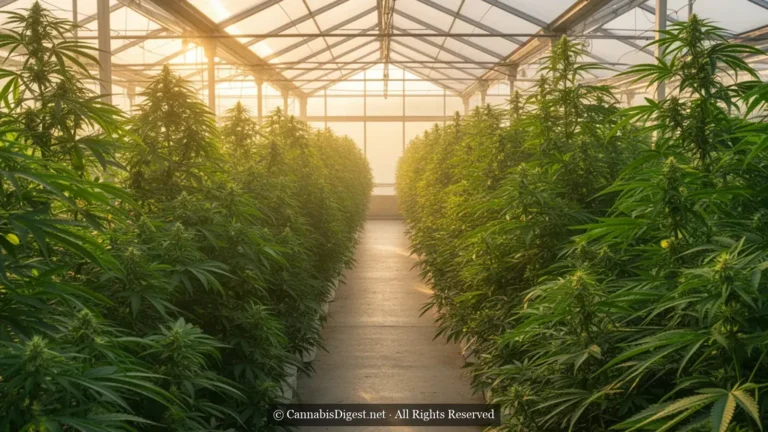
The Florida Department of Environmental Protection recently issued a formal consent order to Trulieve concerning its Capps Highway cannabis cultivation facility in Monticello. This action follows complaints from local residents about wastewater runoff emanating from the property. The discharges were identified as reverse-osmosis reject water and condensate generated by dehumidifiers and HVAC equipment, common byproducts in modern controlled environment agriculture (CEA) facilities.
While Trulieve routed this wastewater to an irrigation sediment basin for spraying onto designated areas of its property, the DEP’s investigation revealed that the company "sprayed the wastewater onto its outdoor lawn," resulting in some of the discharge moving beyond the facility’s perimeter without the requisite DEP permit. This constituted a violation of Florida state law and environmental regulations. It is important to note that the consent order did not find evidence of drinking water or waterways being contaminated with unsafe levels of pollutants, focusing instead on the procedural and permitting infractions.
“For months, residents were told that what we were seeing leave the Trulieve property was rainwater and that the runoff issues had been addressed. Now, DEP’s consent order puts its findings and the steps Trulieve must take in writing.” — Cindy Pyburn, Concerned Residents of Jefferson County, via Ganjapreneur.
Cindy Pyburn of the Concerned Residents of Jefferson County lauded the DEP’s action as “a huge victory for our community,” highlighting the role of community vigilance in environmental oversight. This incident serves as a crucial reminder for cannabis cultivators worldwide that community relations and transparent environmental practices are integral to sustainable operations.
Understanding Wastewater in Cannabis Cultivation
Modern cannabis cultivation, particularly in large-scale indoor or greenhouse settings, often involves sophisticated environmental controls and water management systems. Reverse osmosis (RO) is a common water purification method used to remove dissolved solids and contaminants, providing plants with clean, consistent water. However, the RO process generates a significant amount of "reject water" or "brine," which contains concentrated impurities removed from the source water. Disposing of this reject water responsibly is a key environmental challenge.
Similarly, high-intensity cultivation environments require precise temperature and humidity control. Dehumidifiers and HVAC (heating, ventilation, and air conditioning) systems extract substantial volumes of condensate, which is essentially purified water. While often considered clean, the sheer volume of this water necessitates proper management to prevent unintended discharge and potential regulatory non-compliance. Effective water recycling and waste treatment systems are paramount for cultivators aiming for both operational efficiency and environmental stewardship. For instance, cultivators in jurisdictions with strict environmental regulations, such as those meeting EU-GMP standards for cannabis exports, must implement rigorous water management protocols.
Terms of the Consent Order and Future Implications
Under the terms of the consent order, Trulieve faces several obligations. The company must submit a comprehensive irrigation plan within 30 days designed to prevent any wastewater from leaving its property. Furthermore, within 120 days, Trulieve is required to apply for a wastewater permit that specifically covers the types of discharges identified by the DEP. This highlights a critical aspect of environmental regulation: even seemingly innocuous discharges require proper permitting and management.
Financially, the order stipulates that Trulieve must either pay a penalty of EUR 73,000 (approximately $80,000 USD at current exchange rates) or propose and execute a DEP-approved environmental enhancement, restoration, or facility-improvement project valued at a minimum of EUR 110,000 (approximately $120,000 USD). Trulieve has indicated its intention to pursue the larger improvement project option, suggesting a commitment to long-term environmental solutions.
Crucially, the consent order grants authorized DEP representatives ongoing access to Trulieve’s facility and property during reasonable hours to ensure continued compliance. Any future violations of this order could expose the company to substantial civil penalties, potentially reaching EUR 13,800 (approximately $15,000 USD) per day for each infraction. This level of oversight and potential financial penalty serves as a strong deterrent against future non-compliance and reinforces the need for robust environmental management systems in all cannabis operations, regardless of their scale or jurisdiction. Successful cannabis operations, like those detailed in a story of a Jersey cultivator’s comeback, often involve meticulous attention to regulatory details.
The Broader Picture: Environmental Responsibility in Cannabis
The Trulieve case in Florida serves as a potent reminder that as the global cannabis industry expands and matures, so too does its environmental footprint and the regulatory expectations placed upon it. Cultivators are increasingly expected to manage their resources sustainably, mitigate pollution, and ensure their operations do not negatively impact surrounding communities or ecosystems. This includes careful planning for water usage, waste disposal, energy consumption, and pest management.
Responsible wastewater management is not merely a legal requirement; it is a critical component of corporate social responsibility for cannabis businesses. Implementing closed-loop water systems, treating reject water for reuse, and ensuring all discharges are permitted and monitored are best practices that can prevent environmental harm and foster positive community relations. As regulatory bodies worldwide continue to refine their oversight of the cannabis sector, companies that proactively invest in environmental sustainability will be better positioned for long-term success and public trust.
Frequently Asked Questions
What was the issue at Trulieve’s Florida facility?
Trulieve’s Monticello cannabis cultivation facility in Florida was cited for unpermitted discharges of wastewater, including reverse-osmosis reject water and HVAC condensate, which left the property perimeter.
What is reverse osmosis reject water?
Reverse osmosis reject water is a byproduct of the water purification process, containing concentrated impurities removed from source water, and requires proper disposal or treatment.
Why is wastewater management important for cannabis cultivators?
Proper wastewater management is crucial for cannabis cultivators to comply with environmental regulations, prevent pollution, maintain good community relations, and ensure sustainable operations.
What are the consequences for Trulieve under the consent order?
Trulieve must submit an irrigation plan, apply for a wastewater permit, and either pay EUR 73,000 or complete a EUR 110,000 environmental improvement project, subject to ongoing DEP oversight and potential daily penalties for non-compliance.
Who issued the consent order to Trulieve?
The Florida Department of Environmental Protection (DEP) issued the formal consent order to Trulieve.
What is the role of community complaints in environmental enforcement?
Community complaints can play a vital role in alerting environmental protection agencies to potential regulatory violations, leading to investigations and enforcement actions.