
Contrary to popular belief, cultivating cannabis for personal use, especially outdoors, can be a far simpler endeavour than often portrayed by commercial growers. Many home growers find that with basic attention to sunlight, water, and soil, cannabis plants demonstrate a remarkable natural ability to thrive, yielding potent results without requiring advanced horticultural expertise.
The Innate Drive of Plants: Nature’s Growers
The natural world offers countless examples of plants flourishing with minimal human intervention. From wildflowers in a meadow to robust garden vegetables, life finds a way to grow when provided with fundamental resources. This inherent resilience is a core principle that applies equally to the cannabis plant, which, at its essence, is a hardy botanical species.
Many home gardeners witness this phenomenon firsthand when observing common food crops like tomatoes or jalapeños. These plants, given a pot, soil, and regular watering, often produce abundant yields with surprising ease. This observation naturally leads to the question: if these plants thrive so readily, could cannabis do the same? The answer, according to numerous personal accounts, is often yes. The fundamental needs of cannabis — sunlight, water, and a suitable growing medium — are not complex, allowing the plant’s natural survival instincts to drive its growth.
Beyond the Greenhouse: The Simplicity of Outdoor Growing
While large-scale commercial cannabis operations certainly employ sophisticated techniques, controlled environments, and precise nutrient delivery systems, these are often geared towards maximising yield, consistency, and specific cannabinoid profiles on an industrial scale. For the individual seeking a personal supply, the requirements are far less stringent. The idea that only “rocket scientists” can successfully cultivate cannabis has, for many, created an unnecessary barrier to entry. This perception can discourage would-be growers who are intimidated by the perceived complexity, leading them to believe that without expensive equipment or advanced knowledge, their efforts are doomed to fail.
However, an increasing number of amateur cultivators are discovering that cannabis is remarkably forgiving when grown outdoors. The plant has evolved over millennia to adapt to diverse climates and conditions, demonstrating a robust capacity for growth when its basic needs are met. This accessibility makes outdoor cultivation an appealing option for those new to growing, or those simply looking for a less intensive approach.
Demystifying Cannabis Cultivation: It’s Just a Plant
The notion that cannabis cultivation is exclusively for highly skilled horticulturists is gradually being challenged by the experiences of home growers worldwide. While there are undoubtedly “complexities to growing cannabis", as one grower from Indiana noted to Cannabis Now, “it’s not overly as complicated as people make it out to be.” This sentiment is echoed by many who have ventured into personal cultivation, finding the process far more straightforward than anticipated.
Expert Views on Beginner-Friendly Approaches
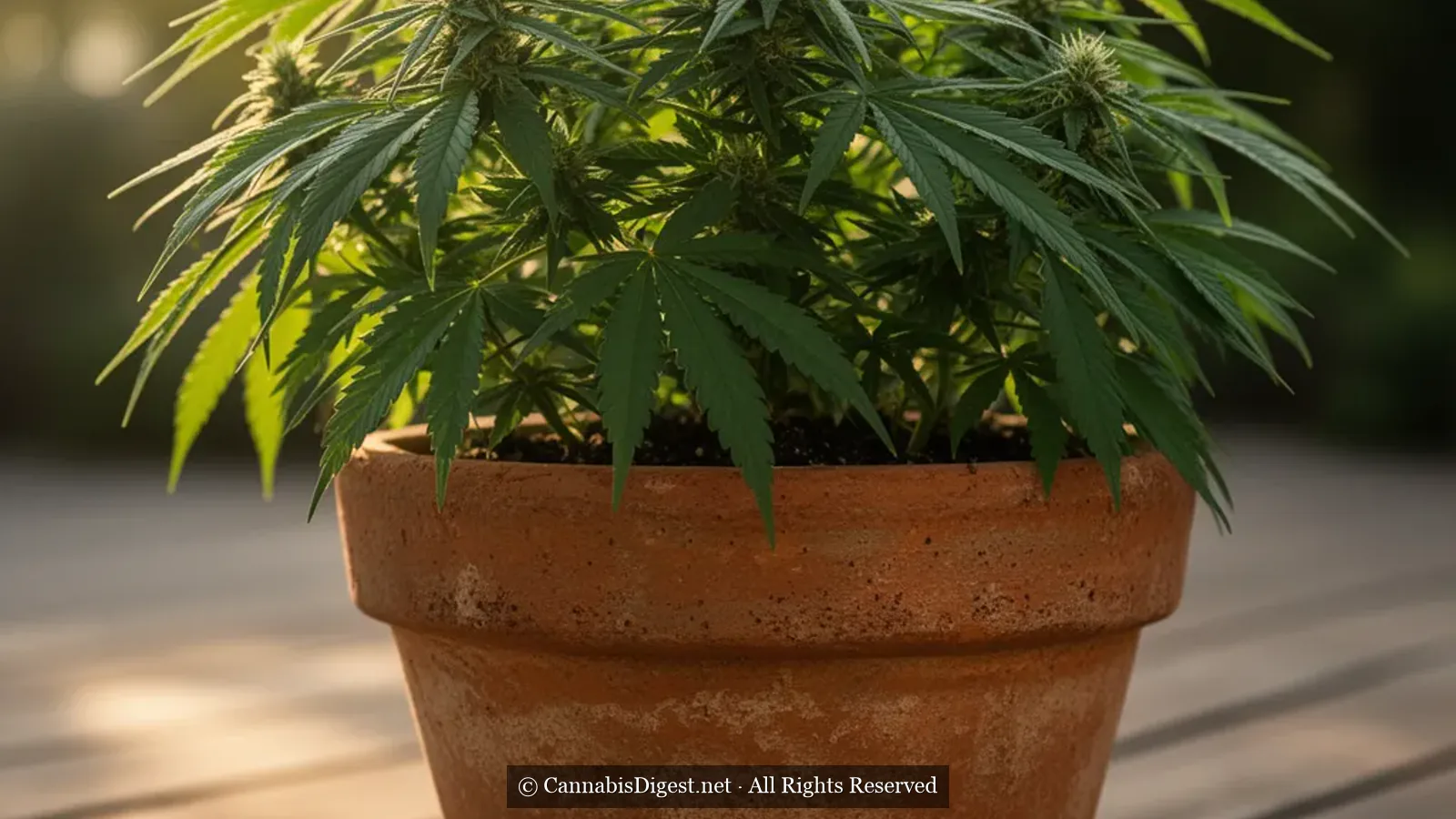
Even within the broader cannabis community, there’s a growing recognition that personal outdoor cultivation can be simplified. A cultivator named Renee from Washington D.C., for instance, suggests that for patients looking to grow for personal use, a larger pot for root development combined with simple amendments like eggshells and molasses can suffice. She asserts that “cannabis is basically like a weed that can grow anywhere without much intervention,” highlighting the plant’s inherent resilience.
These informal observations are supported by numerous anecdotes from first-time growers. One amateur cultivator, Dustin, shared his experience of two seasons of growth, stating he did “nothing more than plop seeds in the ground and water as needed” and still produced “strong, tasty weed.” He found the harvesting, trimming, and curing to be the most challenging aspects, and even those were “not even that hard.” Another grower, Alex, even claimed greater success with cannabis than with tomatoes, emphasising the importance of selecting “the right strain for your local conditions” and ensuring “a sunny location” free from competing plants.
These insights underscore a crucial point: while advanced techniques can optimise yields and quality, they are not strictly necessary for achieving a satisfactory personal harvest. The plant’s fundamental drive to grow, coupled with basic care, often proves sufficient.
Essential Elements for a Thriving Outdoor Cannabis Plant
For those considering embarking on their own outdoor cannabis cultivation journey, understanding the core requirements is key. The emphasis remains on providing the plant with what it naturally needs, rather than overcomplicating the process.
Soil, Sun, and Water: The Foundation
At its heart, successful outdoor cannabis cultivation relies on three primary elements: good quality soil, ample sunlight, and consistent watering. The soil acts as the anchor for the plant and the reservoir for nutrients. A well-draining, nutrient-rich potting mix or amended garden soil provides an excellent starting point. Cannabis thrives in direct sunlight, requiring at least six to eight hours per day to photosynthesise effectively and develop robustly. Consistent watering is also critical, especially during dry periods, though care must be taken to avoid overwatering, which can lead to root issues. The plant’s leaves will often signal its needs: drooping leaves can indicate thirst, while yellowing may suggest nutrient deficiencies or overwatering.
Basic Amendments and Strain Selection
While complex nutrient schedules are often used in commercial settings, home growers can achieve good results with simple, organic amendments. For instance, incorporating compost or worm castings into the soil can provide a slow release of essential nutrients. Some growers also utilise readily available household items like crushed eggshells to boost calcium or molasses to feed beneficial soil microbes and provide carbohydrates. These simple additions can significantly enhance plant health without requiring extensive knowledge of nutrient chemistry.
Equally important is the selection of an appropriate cannabis strain. Different cultivars are bred for specific climates, growth habits, and resistance to pests or diseases. Choosing a strain known to perform well in your local environment — considering factors like temperature fluctuations, humidity, and length of growing season — can dramatically improve success rates. For example, some strains are better suited to humid conditions, while others thrive in drier, sunnier climates. Researching cultivar characteristics can help align your choice with your specific outdoor conditions.
Navigating the Legal Landscape of Personal Cultivation
While the act of growing a cannabis plant can be relatively simple, the legal framework surrounding it is often anything but. Cannabis laws vary dramatically across the globe, from complete prohibition to medical-only access, and increasingly, to regulated adult-use markets. Even within countries where cannabis is legal, specific regulations regarding personal cultivation — such as the number of plants allowed, where they can be grown (indoors vs. outdoors), and whether they must be out of public view — differ significantly.
Understanding Local Regulations and Risks
For any individual considering cultivating cannabis, it is absolutely paramount to understand and adhere to the current laws in their specific jurisdiction. What is permissible in one country or region may be a serious criminal offence in another. For example, while personal cultivation is legal in parts of Canada and Uruguay, it remains strictly prohibited in many other nations, including certain areas of the United States. Even in jurisdictions where it is legal, exceeding plant limits or failing to conceal plants from public view can lead to legal penalties.
Beyond the legal framework, practical considerations also arise. Outdoor plants, particularly as they mature, can produce a noticeable aroma. In areas where cultivation is restricted or where privacy is a concern, this scent can attract unwanted attention from neighbours or law enforcement. Therefore, discretion and knowledge of local ordinances are crucial for a safe and successful personal grow. Always confirm the current laws in your specific location before commencing any cultivation activities.
Frequently Asked Questions
Can cannabis really be grown easily outdoors?
Many experienced and novice cultivators suggest that cannabis is quite resilient and can grow successfully outdoors with minimal intervention, similar to other garden plants like tomatoes.
What are the absolute basic requirements for growing cannabis outside?
For foundational growth, cannabis primarily needs adequate sunlight, a suitable growing medium (soil), and consistent water. These basic elements allow the plant to thrive naturally.
Do I need special nutrients for a home grow?
While commercial grows often use complex nutrient regimens, personal outdoor plants can benefit from simple, readily available amendments like aged eggshells for calcium or molasses for carbohydrates, rather than highly specialized products.
How important is strain choice for outdoor cultivation?
Selecting a cannabis strain well-suited to your local climate and environmental conditions is crucial for success, even with minimal grower intervention, as some cultivars are naturally more resilient in specific outdoor settings.
What are the legal considerations for growing cannabis personally?
Laws governing personal cannabis cultivation vary significantly by country, province, and local jurisdiction. It is essential for individuals to research and adhere to the current regulations in their specific location to avoid legal issues.
How much yield can a beginner expect from a simple outdoor grow?
Beginners relying on basic outdoor methods might expect a modest yield, potentially around 14 grams or less per plant. However, the plant’s potency potential typically remains intact even with smaller harvests.