
As more American families find themselves living under one roof across multiple generations, understanding and respecting diverse approaches to cannabis consumption has become crucial for household harmony. Open communication about usage preferences, storage, and etiquette helps bridge generational gaps and ensures a comfortable environment for everyone.
The landscape of American households is undergoing a significant shift, with a record number of young adults residing with their parents. This trend is driven by a confluence of factors, including escalating housing costs, the burden of student loan debt, persistent inflation, and evolving family dynamics. Concurrently, cannabis has achieved a level of mainstream acceptance unprecedented in recent history, leading to a scenario where individuals of varying ages, with distinct experiences and expectations concerning cannabis, are increasingly sharing living spaces.
While cannabis use is becoming common across nearly every age demographic, the underlying motivations for consumption often differ significantly. Recognizing these generational distinctions can prevent misunderstandings and foster a more respectful and cooperative home environment.
Generational Perspectives on Cannabis
Each generation approaches cannabis with its own history and set of priorities, shaped by cultural context and personal needs. Understanding these varied perspectives is fundamental to fostering mutual respect within multi-generational homes.
Gen Z: Social Engagement and Wellness Alternatives
For many Gen Z consumers, cannabis integrates into their social and lifestyle routines. It is frequently utilized to decompress after academic or professional commitments, manage everyday anxiety, enhance entertainment experiences, or as a preferred alternative to alcohol. Contemporary surveys consistently indicate a decline in alcohol consumption among younger adults compared to preceding generations, with many viewing cannabis as a lighter, less impairing option for social gatherings or personal relaxation. This shift highlights a desire for different forms of unwinding and enjoyment.
Baby Boomers: Therapeutic Focus
In contrast, Baby Boomers predominantly perceive cannabis through a therapeutic lens rather than a recreational one. A significant portion of this demographic turns to cannabis for managing age-related health concerns such as chronic pain, arthritis, inflammation, and insomnia. Their primary objective is often symptom relief and maintaining functionality throughout their day, with less emphasis on psychoactive effects. This medicinal application reflects a practical approach to wellness and quality of life.
Gen X: Bridging Wellness and Recreation
Adults typically in their late 40s to early 60s, largely comprising Gen X, often engage with cannabis for a blend of wellness and recreational purposes. Many in this cohort were introduced to cannabis during periods when it was illegal and carried considerable social stigma. Today, with increased legalization and reduced stigma, they are more inclined to explore regulated products for managing stress, improving sleep quality, alleviating chronic pain, and unwinding after demanding careers or family responsibilities. Like Gen Z, many Gen X individuals also value cannabis as an alternative to alcohol, particularly when balancing active professional and family lives.
Cultivating Harmony: Practical Etiquette for Shared Spaces
When multiple generations with differing cannabis habits coexist, practical considerations become essential for maintaining peace and comfort. Addressing these points proactively can prevent common friction points.
Odor Management and Designated Areas
One of the most immediate concerns in a shared living space is the aroma of cannabis. Not everyone appreciates the distinct smell, even among cannabis enthusiasts. If smoking or vaping indoors impacts other residents, choosing to consume outdoors or in a specifically designated, well-ventilated area demonstrates thoughtful consideration. Implementing effective air filtration systems, ensuring proper ventilation, and utilizing odor-neutralizing products can also significantly contribute to a more harmonious atmosphere.
Secure Storage and Child Safety
Proper storage of cannabis products is paramount, especially in homes frequented by children, pets, or guests. Edible cannabis products, in particular, require diligent attention due to their resemblance to ordinary snacks. All cannabis items should be kept in clearly labeled, child-resistant containers, secured in a location inaccessible to unauthorized individuals. This practice is crucial for preventing accidental consumption and ensuring the safety of everyone in the household. For more on product safety, consider understanding the terpene question as it relates to product quality.
Communication is Key: Setting Household Expectations
Effective communication forms the bedrock of successful multi-generational living, especially concerning cannabis use. Establishing clear guidelines and boundaries can avert misunderstandings before they escalate into conflicts.
Discussing House Rules
Families should engage in open discussions about cannabis consumption, similar to how they might discuss alcohol use. Establishing agreed-upon parameters regarding where cannabis may be used, appropriate times for consumption, and how to handle guests who may or may not consume can preempt confusion and potential disagreements. These conversations should focus on mutual respect and understanding, acknowledging that personal preferences and comfort levels vary.
“While cannabis has become mainstream across nearly every generation, the reasons people use it can vary dramatically. Understanding those differences can help families avoid unnecessary conflict and create a more respectful living environment.”
— The Fresh Toast
Respecting Personal Consumption Choices
Never pressure another individual to consume cannabis, regardless of their past use. Similarly, avoid making assumptions about someone’s tolerance level. Modern legal cannabis products can be significantly more potent than those available decades ago. New users, or those reintroducing themselves to cannabis after a long hiatus, should always begin with very low doses and allow ample time to assess the effects before considering additional consumption. Education on responsible use and heirloom genetics can also enhance understanding of product diversity.
Navigating Potency and Product Choices
The legal cannabis market offers a vast array of products with varying potencies and consumption methods, which can be a point of discussion in multi-generational homes.
Flexible Consumption Methods
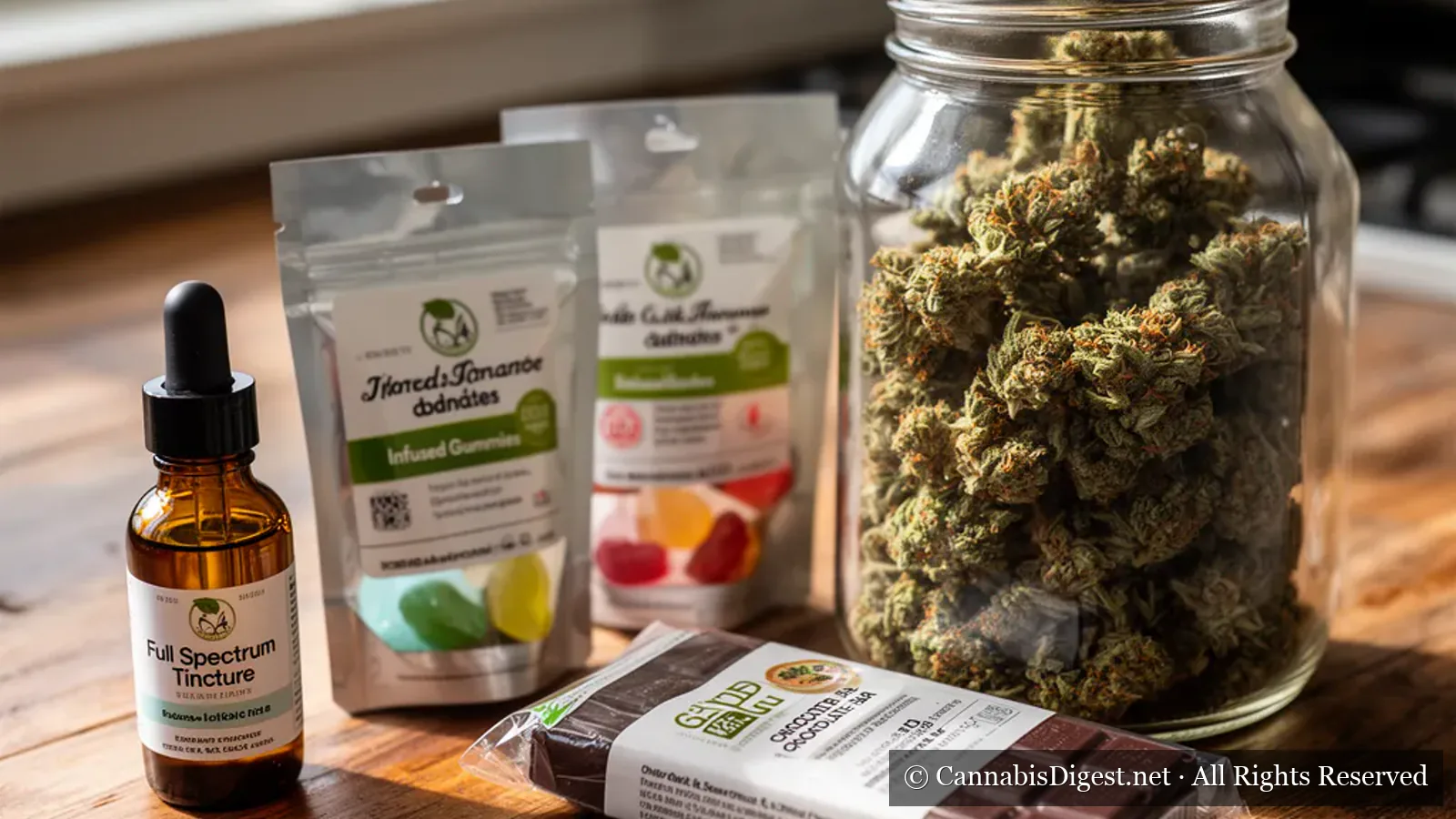
Respect extends beyond simply acknowledging someone’s use; it also encompasses flexibility regarding consumption methods. Some individuals may appreciate cannabis’s effects but strongly dislike smoking. The market now provides numerous alternatives, including edibles, tinctures, capsules, and low-dose beverages, many of which produce minimal to no odor. Being open to different consumption methods can significantly ease cohabitation and cater to diverse preferences, ensuring everyone’s comfort.
As cannabis continues its journey towards broader societal acceptance, understanding the varied motivations and methods of use across generations is paramount. Whether an individual seeks relief from chronic pain, improved sleep, anxiety management, or simply a way to relax after a demanding day, a foundation of thoughtful communication and basic courtesy is essential. These principles help forge households where every member feels respected and comfortable, embracing the benefits of legalization while nurturing healthy family relationships under one roof.
Frequently Asked Questions
Why are more generations living together now?
More generations are living together due to factors like rising housing costs, student loan debt, inflation, and changing family dynamics, making it financially and socially practical for many.
How do different generations use cannabis?
Gen Z often uses cannabis for social reasons and as an alternative to alcohol, while Baby Boomers typically use it for medicinal purposes. Gen X often uses it for a blend of wellness and recreation.
What are key etiquette tips for cannabis in shared homes?
Key etiquette tips include managing odor, securely storing products (especially edibles), not pressuring others to consume, and discussing household expectations for use.
Why is secure storage important for cannabis products?
Secure storage is important to prevent accidental consumption by children, pets, or unaware guests, particularly with edibles that can be mistaken for regular snacks.
How can families discuss cannabis use effectively?
Families can discuss cannabis use effectively by having open conversations about where and when it’s appropriate to consume, how guests should be handled, and respecting individual preferences and comfort levels.
Are modern cannabis products different from older ones?
Yes, modern legal cannabis products are often significantly more potent than those available decades ago, making it important for new or returning users to start with low doses.